How Does Heated Touch-Free Washing Help In Winter?
- Three Rivers Car Wash

- Jan 7
- 5 min read
AI Summary
Heated touch-free washing removes salt, slush, and grime more effectively during winter because warmth dissolves hardened contaminants.
High-pressure heated water reaches undercarriage pockets, wheel wells, and tight areas where salt causes fast corrosion.
No-brush cleaning prevents scratches caused by salt-filled grime, making touch-free systems ideal for winter washing.
Drivers in Pittsburgh, Washington, Canonsburg, and Meadowlands benefit from safer, faster, and more protective winter wash results.
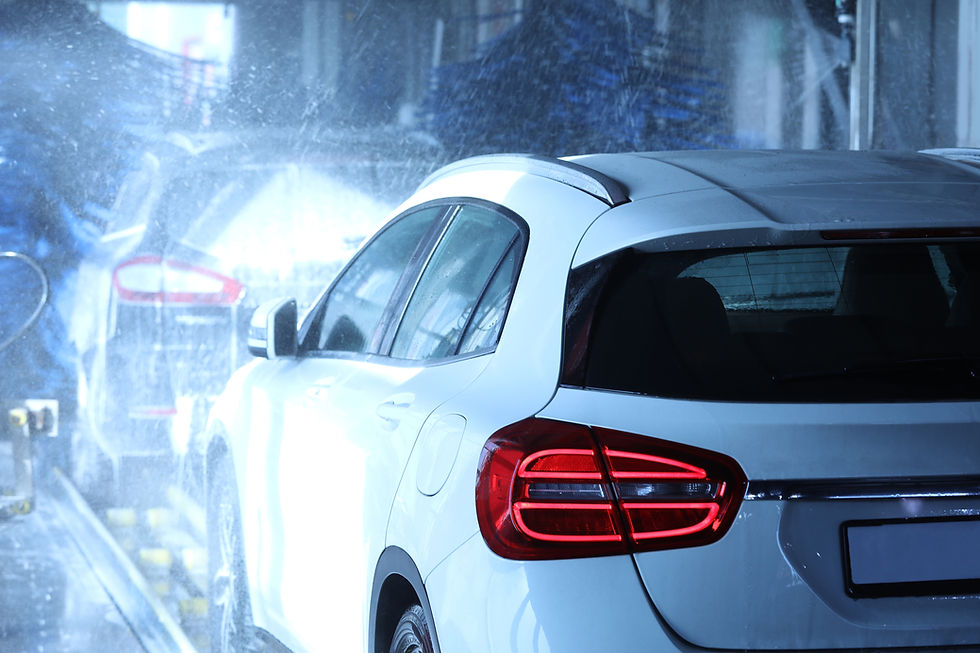
Why Heated Touch-Free Washing Matters So Much During Winter
Winter is the harshest season for vehicles in Pennsylvania. Snow, freezing temperatures, road salt, and brine all work together to coat your vehicle in some of the most corrosive grime it will ever encounter. Many drivers assume winter washing is optional, but the truth is that winter washes are more important than summer washes.
The challenge is that cold temperatures make salt harder to remove, make grime stick more tightly, and reduce the effectiveness of traditional washing. That is why heated touch-free washing is so valuable. It combines heated water, targeted detergents, and high-pressure jets to safely remove everything winter puts on your vehicle.
For drivers in Pittsburgh, Washington, Canonsburg, and Meadowlands, heated touch-free washing offers a key advantage in protecting both paint and undercarriage components from seasonal damage.
How Cold Weather Makes Salt and Grime Harder to Remove
Winter changes the way contaminants behave. Salt crystals harden, slush freezes into thick layers, and grime bonds tightly to surfaces as temperatures drop.
Salt becomes more sticky and corrosive in cold weather
Salt mixes with moisture to form brine that clings aggressively to:
Wheel wells
Undercarriage seams
Frame rails
Rocker panels
Once hardened by freezing temperatures, cold water alone cannot break it apart.
Road grime thickens in winter
Oil, dirt, and exhaust soot turn into a sticky film when they mix with brine. This grime attaches tightly to paint in Pittsburgh’s damp, cold air.
Slush freezes instantly on metal surfaces
Slush trapped behind fenders and inside wheel wells can freeze solid before a wash, trapping salt underneath.
Because of these conditions, heated water becomes essential for safe and effective cleaning.
Why Heated Touch-Free Washing Works Better in Winter
Heated touch-free systems are specifically designed to remove harsh winter contaminants. Here’s what makes them so effective.
1. Heated Water Dissolves Salt Faster
Warm water breaks down salt and brine much more effectively than cold water. When heated water touches frozen grime, it melts the salt, loosens thick residue, and flushes contaminants away efficiently.
This is especially important in Western PA, where brine is used heavily before storms.
Benefits of heated water:
Dissolves salt chemically and physically
Melts frozen slush instantly
Removes hardened grime on first pass
Helps detergents activate fully
Heated washing gives your vehicle a deeper clean without relying on harsh scrubbing.
2. Touch-Free Jets Prevent Scratches
Brush-based washes can cause scratches in winter because they trap:
Salt crystals
Road grit
Sand and gravel
These abrasive materials can grind into your paint as brushes rotate across the surface.
Touch-free washing avoids this risk entirely by relying on high-pressure water instead of physical contact. This keeps paint, coatings, and surfaces safe, especially for newer or luxury vehicles.
3. Heated Jets Clean Undercarriages More Effectively
Salt collects underneath the vehicle long before you see rust on body panels. Heated jets work especially well for undercarriage cleaning because:
Warm water melts compacted slush
High-pressure flow reaches hidden pockets
Salt is flushed out before corrosion begins
Undercarriage cleaning is one of the most important winter maintenance steps for preventing rust in Pennsylvania.
4. Detergents Perform Better With Heat
Winter washing requires detergents that cut through oil film, salt, and grime. These detergents activate best with heat. Heated touch-free systems use carefully controlled water temperature to:
Break down the chemical bond between salt and metal
Loosen grease and road film
Remove stubborn buildup without damaging surfaces
Heat gives detergents the power they need to clean effectively, even in freezing conditions.
5. Heated Rinsing Prevents Ice Forming on the Vehicle
One common winter concern is that washing your car will cause it to freeze afterward. Heated rinsing helps solve this problem by:
Preventing immediate refreezing
Drying more effectively with warm air systems
Ensuring your doors and handles don’t ice shut
Touch-free washes designed for winter operation manage heat carefully to keep your vehicle safe from freezing.
Problem: Winter Dirt and Salt Build Up Faster Than Many Realize
In Pittsburgh and surrounding areas, vehicles can collect salt even when roads look dry. Salt dust becomes airborne and sticks to your car in cold weather. Drivers often underestimate how quickly buildup happens.
Common winter grime problems include:
Salt crust forming inside wheel wells
Rust developing on brake lines
Road film clouding headlights
Slush freezing inside fender edges
Corrosion starting beneath the undercarriage
If salt sits on metal for too long, it begins to corrode, which spreads even after winter ends.
Solution: Heated Touch-Free Washing Removes Winter Buildup Safely and Completely
Heated touch-free washing is the strongest winter defense because it removes contaminants effectively and safely without scratching or missing hidden areas.
It provides:
Deep cleaning in cold weather
No-contact washing for paint protection
Better undercarriage cleaning
Faster dissolution of salt
More effective detergent activation
Routine winter washing is easier and more effective with heated systems.
How Often Should You Use Heated Touch-Free Washing in Winter?
Experts recommend:
Every 7–10 days
To prevent salt buildup.
After every snowstorm
Storms apply fresh brine to roads.
After driving through slush or wet roads
Slush spreads salt far more aggressively.
Before and after long highway trips
High-speed spray coats vehicles in salt film.
Winter washing is not about keeping the car spotless. It’s about preventing salt damage before it starts.
People Also Ask: Heated Touch-Free Washing
Does warm water help remove salt?
Yes. Heat dissolves salt faster and loosens brine.
Is it safe to wash in freezing temperatures?
Touch-free systems use heat to prevent freezing and protect the vehicle.
Does heated washing damage paint?
No. It is gentler than brush washing and safer for modern finishes.
Is undercarriage cleaning necessary?
Absolutely. Most rust starts underneath the vehicle.
Can heated washing help with thick grime?
Yes. Heat breaks down oily film and slush more effectively.
FAQ Section
How does heated touch-free washing help in winter?
It melts salt and slush, activates detergents, and removes grime safely.
Is heated washing better than soft-touch in cold weather?
Yes. Brushes can trap salt and scratch paint.
Can heated water prevent ice after washing?
It helps slow freezing and improves drying.
Does heated undercarriage cleaning prevent rust?
Yes. Removing salt early stops corrosion before it begins.
How often should I wash in Pennsylvania winters?
Every 7–10 days and after snowstorms.
Heated Touch-Free Washing Offers the Best Winter Protection in PA
Winter in Western Pennsylvania is tough on vehicles, but heated touch-free washing provides the protection needed to remove corrosive buildup and prevent rust. By combining heat, pressure, and safe cleaning technology, this wash method helps drivers maintain their vehicles through even the coldest months.
At Three Rivers Car Wash, our heated touch-free systems help drivers in Pittsburgh, Washington, Canonsburg, and Meadowlands keep their vehicles clean, protected, and winter-ready.
Call us at (724) 222-6580 or fill out our online form to learn more about our winter wash options and unlimited memberships. We are here to help our vehicles stay clean and corrosion-free all season long.


Comments