Is It Safe to Wash a Car With Fresh Window Tint?

Key Takeaway
Fresh window tint needs time to fully cure before being exposed to water, and rushing that process can cause bubbling, peeling, or hazy edges.
Touch-free car wash systems are far safer for newly tinted windows than brush-based washes because nothing physically contacts the glass.
Western Pennsylvania winters create a constant need for frequent washing, making it critical to time your first post-tint wash correctly.
An unlimited wash membership makes it easy to keep your vehicle clean year-round without worrying about skipping washes after a tint job.
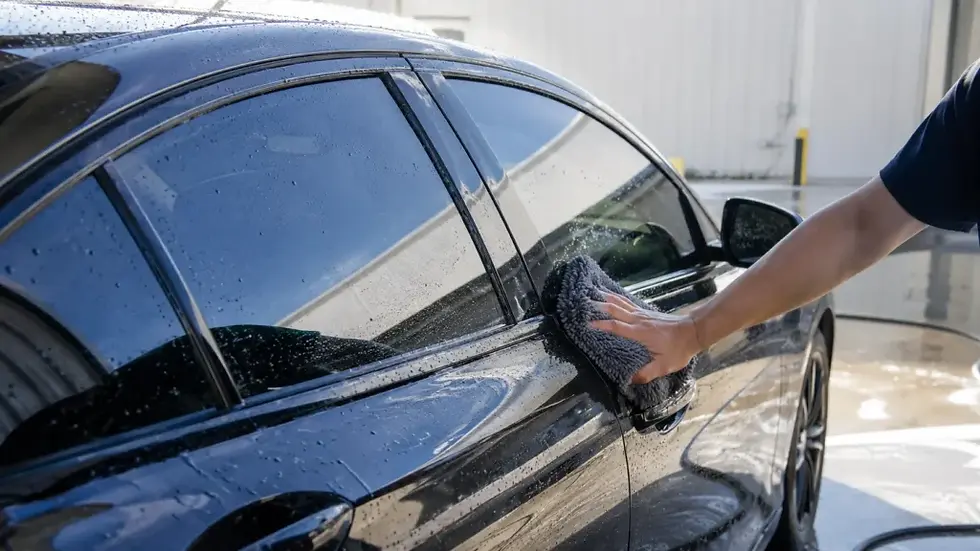
You finally got your windows tinted, and now a late-April rain mixed with Pittsburgh road grime is coating your car. You want to run it through a wash, but something stops you. What if the water ruins the tint? What if the pressure lifts the film right off the glass? These are real concerns, and they are worth answering before you pull up to any car wash lane.
The problem is that bad timing or the wrong type of wash can genuinely damage a fresh tint job, leaving you with bubbles, streaks, or lifting edges along the seal. The good news is that once you know what to look for, protecting your tint while keeping your car clean is completely manageable. For drivers across Western Pennsylvania dealing with road salt, spring mud, and year-round grime, understanding how to do a car wash with new window tint could save you money on a redo. If you want to understand why the wash method matters as much as the timing, our guide on touch-free car washes and how they work is a great place to start.
How Long Should You Wait Before Washing After a Tint Job?
Washing a car with new window tint too soon is one of the most common mistakes drivers make after leaving the tinting shop. Most professional installers recommend waiting at least three to five days before exposing the windows to water, and in cooler weather, that window can stretch to a week or longer.
Here is what that means for Western Pennsylvania drivers: if your tint goes on in November and the next week brings overcast skies and temperatures in the low 40s, the curing process slows noticeably. Tint film cures through heat and airflow. Cold, damp air extends the timeline. Err on the side of waiting longer rather than shorter, and check with your installer for their specific recommendation based on the film they used.
Touch-Free vs. Brush Washes: Which Is Safer for Newly Tinted Glass?
Once your tint has cured, the type of car wash you choose still matters. Brush-based automatic washes use physical contact to scrub the surface, and those bristles can catch on window edges, seals, or any small imperfection in the film. Even a fully cured tint can be vulnerable to that kind of friction.
A touch-free car wash uses high-pressure water and specialized detergents to lift dirt without ever touching the surface. For tinted windows, that is a meaningful advantage. No brushes mean no snagging, no edge lifting, and no abrasion against the film. If you are choosing between wash types after a tint job, touch-free is the clear answer. Our Touch-Free Car Wash at Three Rivers is built around exactly that no-contact approach.
Timing Your Washes Around Western Pennsylvania's Road Conditions
Living in Washington, Canonsburg, or Meadowlands means your vehicle faces something most drivers in warmer states never deal with: salt. PennDOT applies close to 600,000 tons of road salt across Pennsylvania roads in an average winter, and that salt does not stay on the road. It migrates onto your paint, into your wheel wells, and underneath your vehicle. Skipping washes to protect a fresh tint is understandable, but letting salt sit is a cost you will pay later.
The practical move is to plan your tint job around the calendar if possible. Having window tint installed in early fall or late spring gives you a full curing period before the harshest road conditions arrive. If you already have fresh tint in the middle of winter, wait out the cure period carefully, then prioritize getting road salt off your undercarriage as soon as it is safe to wash. The undercarriage cleaning available at our Washington location targets exactly that kind of accumulated buildup.
Signs Your Tint May Have Been Damaged During a Wash
If you washed your car before the tint fully cured, or if a brush-based wash caught an edge, there are a few things to watch for. Small water pockets or bubbles trapped under the film are the most common sign of premature water exposure. You may also notice haziness along the edges where the film meets the window seal.
Some minor bubbling in the first few days after installation is actually normal and often resolves on its own as the film continues to cure. But bubbles that appear after a wash, or that grow larger rather than shrinking, are a sign the film was disturbed. At that point, returning to your tint installer for an inspection is the right call. No car wash can fix a compromised tint job once the film has lifted.
Why Three Rivers Car Wash Is the Right Choice for Tinted Vehicles in Western Pennsylvania
Drivers across the Pittsburgh area and surrounding communities trust Three Rivers Car Wash because the touch-free system protects their vehicles at every stage, including after a car wash with new window tint. With convenient locations in Washington, Canonsburg, and Meadowlands, there is always a trusted wash nearby whenever the roads turn ugly or your vehicle just needs a thorough rinse.
Three Rivers Car Wash has helped countless Western Pennsylvania drivers keep their vehicles clean and protected through every season the region throws at them. The Wash Club Membership makes unlimited washes simple and affordable, so you never have to choose between protecting your tint and keeping road salt off your paint. Explore all of our locations and find the one closest to you, open 24 hours a day, every day of the year.
People Also Ask
How long after window tinting can you wash your car?
Most installers recommend waiting three to five days before running your car through any wash. In colder or more humid conditions, waiting a full week is safer. Always confirm the cure timeline with your specific installer, as different film types and adhesives may have different requirements.
Does a car wash damage window tint?
A touch-free car wash is generally safe for cured window tint because no brushes or cloths contact the glass. Brush-based washes carry more risk because physical contact can snag the film's edges. Waiting for the tint to fully cure before any wash reduces the chance of damage significantly.
Can you go through a touchless car wash with tinted windows?
Yes, once the tint has fully cured, a touchless car wash is one of the safest options available. High-pressure water and detergents clean the surface without physically touching the film. This makes touch-free washing the preferred method for drivers who want to protect both their tint and their paint.
Will rain ruin fresh window tint?
Light rain shortly after installation is generally not as damaging as a full car wash, since rain does not apply pressure or physical contact. However, it can still introduce water to an incompletely cured film. Keeping the car in a garage or covered area during the first few days after installation is the safest approach.
FAQ
Can I use a spray-on car wash or waterless wash on fresh tint?
Waterless wash products require wiping, and any friction on fresh tint during the cure period can cause issues. It is best to avoid any cleaning method that involves rubbing the window surface until the film has fully cured. After curing, a gentle waterless product is generally safe for the glass.
Is the undercarriage wash safe to use right after a tint job?
Yes. The undercarriage wash targets the frame, wheel wells, and underbody of the vehicle, not the windows. You can run an undercarriage cleaning at any time without affecting your window tint. This is especially valuable in winter when road salt accumulates quickly on the vehicle's underside.
How often should I wash my car after getting window tint installed?
Once the tint has fully cured, washing frequency depends on your driving conditions. In Western Pennsylvania winters, washing every one to two weeks helps remove road salt before it causes corrosion. An unlimited wash membership makes it easy to stay on a regular schedule without added cost per visit.
Do all car washes use brushes, or are touch-free options widely available?
Not all car washes use brushes. Touch-free automatic washes rely entirely on high-pressure water and detergents rather than physical contact. These systems are widely available and are a smarter choice for any vehicle with window tint, freshly painted surfaces, or other details that benefit from a no-contact approach. You can learn more about how these systems compare in our post on what makes professional washes better than DIY.
Keep Your Tint Protected and Your Car Clean at Three Rivers Car Wash
Timing is everything when it comes to a car wash with new window tint, but once that cure period is behind you, consistent cleaning becomes your best protection. With Western Pennsylvania's combination of road salt, freeze-thaw cycles, and year-round grime, letting your vehicle go too long between washes is a risk to more than just the paint. For more on how the wash process works and why no-contact technology makes a difference, our post on how automatic washes compare to hand washing breaks it down clearly.
Three Rivers Car Wash is open around the clock at locations across the region, so there is never a bad time to get your vehicle properly cleaned. Whether you are a Canonsburg commuter, a Meadowlands resident, or a Pittsburgh-area driver who puts serious miles on your vehicle, the Wash Club gives you unlimited access to a proven touch-free system that protects your investment wash after wash.
Visit Three Rivers Car Wash or call 724-222-6580 today. Our touch-free system and unlimited membership options keep your vehicle protected through every Western Pennsylvania season. Contact us for more information.


Comments